
Physical Therapy Questions, Answered

Referrals, insurance, what to wear, how often you come in, and what happens if it is not working. Every answer below is what we would tell you on the phone.

The things people ask before they pick up the phone.

Most people who call have already been managing something for months. They rested it, they stretched it, and a fair number of them already did physical therapy somewhere and spent most of it on a table while their therapist worked the rest of the room. The questions below are the ones that come up before they are willing to try again.

They are answered here the way they get answered in the office: plainly, including the parts that are not to our advantage. If we are out of network with your plan, you will read it on this page rather than discover it later.

If your question is not here, call us at (631) 596-5096. There is no charge for a question, and nobody at this practice would rather you guessed.
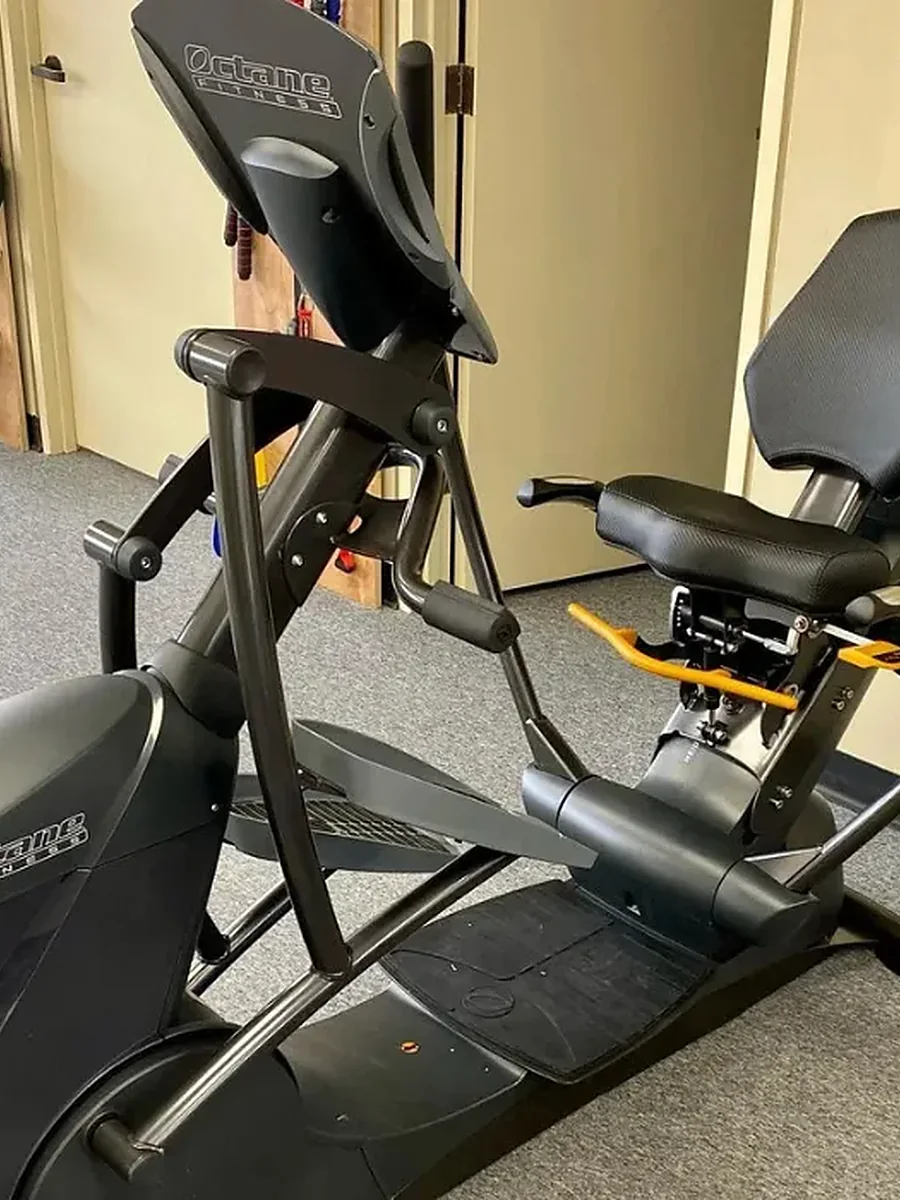
The main gym floor at Greiner Physical Therapy in Speonk, NY

Before your first visit.

01 / Do I need a doctor’s referral to start?
No. New York direct access lets you see a licensed physical therapist without a doctor’s referral for up to 30 days or 10 visits, whichever comes first. That means you can call today and be seen this week without waiting on somebody else’s calendar first. If your care needs to continue past that window, we work with you and your physician to keep it going without a gap, and we will raise it with you well before you get there.
02 / What actually happens during a physical therapy session?
It opens with an assessment of your condition: what hurts, when it started, what you have already tried, and what you want to get back to. From there your therapist works by hand to improve mobility and flexibility, then builds individualized exercises and activities aimed at your specific goals. You are also taught the why, including posture, body mechanics and the daily habits that keep bringing the problem back. The same licensed physical therapist stays with you from the first minute to the last.
03 / What should I wear, and what should I bring?
Wear comfortable, loose clothing that lets you move easily and does not restrict circulation, and bring sneakers. Depending on your condition your therapist may recommend specific shoes or a brace once they have watched you move. Bring anything related to your medical history as well: x-ray, MRI or ultrasound reports, surgical notes, and your doctor’s notes. A photo ID and your insurance card round it out.
04 / Is there anything I should do to prepare?
Arrive rested. An evaluation asks you to move, and it goes better when you are not running on empty. If you take pain medication, keep track of what you took and when, because it changes how your therapist reads your response and how hard they push on day one. If it helps, write your questions down before you come in.
05 / How long is each session?
Sessions typically run 30 to 60 minutes, depending on your condition and the techniques being used. Your therapist will give you an estimate when you arrive for your first appointment. However long it runs, the time is yours: there are no assistants and no aides here, so you are not sharing your therapist with three other people on the floor.
06 / Can I keep seeing my own doctor while I am in physical therapy?
Yes, and we want you to. Physical therapy does not replace your physician, your surgeon or your specialist. We follow post-surgical protocols as they are written, and we are glad to send progress notes to whoever is managing your care. If something we find belongs in front of your doctor, we will say so rather than quietly work around it.

The money question, before you have to ask it.

This is the part most clinic websites bury, so here it is in the open. We are in network with Medicare and Medicare Advantage. We participate with most other plans as an out of network provider, and we submit claims on your behalf. Medicaid is not accepted.

The reason is the model. Insurer contracts are built around volume: more patients per hour, less hands-on time, and the work handed to an assistant or an aide while the therapist charts in the corner. This practice runs one patient and one licensed physical therapist for the entire session, and that does not survive the math. So we carry the administrative weight ourselves instead and file the claims for you.

What it costs, and who pays what.

01 / Will my insurance cover my physical therapy?
We are in network with Medicare and Medicare Advantage. We participate with most other plans as an out of network provider, and we submit claims on your behalf. Medicaid is not accepted. Coverage and out-of-pocket cost depend on the specifics of your plan, including your deductible and any visit limits. Send us your insurance information and we will verify your therapy benefits and tell you the estimated cost for services before your first visit, so there is nothing to discover afterward.
02 / Do you accept Medicaid?
No. Medicaid is not accepted at the Speonk clinic or the Quogue clinic. We would rather tell you that here than after you have taken time off work for an appointment. If Medicaid is your only coverage, call the office anyway and we will point you somewhere useful.
03 / Does out of network mean I pay for everything myself?
Not usually. Most plans reimburse a portion of out-of-network physical therapy, and the exact share depends on your deductible and coinsurance. That is precisely why we run the benefits check before you start: we read your plan, we tell you the estimated cost, and you make the decision with a number in front of you rather than a guess.
04 / How do I find out what this will cost before I commit?
Ask for a benefits check. Give us your insurance carrier, member ID, group number and date of birth, and we will verify your physical therapy benefits with your plan and come back with an estimated cost for services. You will know the number before you book, not after your third visit.

What a course of physical therapy actually looks like.

Physical therapy is not a single appointment that fixes you. It is a plan of care with a frequency, a duration and a set of goals you agreed to, and it works because it is repeated. Most plans here start at 2 to 3 times per week for a minimum of 4 to 6 weeks, then taper.

The questions below are the ones that come up once you are in it: what to do at home, what to do if a session hurts, what happens if the plan is not working, and how you will know when you are finished.

Once you have started.

01 / How often will I need to come in?
Frequency depends on your individual goals and condition, but most plans of care start at 2 to 3 times per week for a minimum of 4 to 6 weeks in order to get the most out of the work. Your therapist sets the schedule with you at the initial appointment and reviews it as you progress. It usually tapers as you get stronger rather than stopping abruptly.
02 / How long does a whole course of care run?
Treat the 4 to 6 week minimum as a floor rather than a finish line. A stiff neck and a total knee replacement do not take the same amount of time, and neither does a fifty-year-old who lifts and a seventy-five-year-old rebuilding balance. Your therapist gives you a realistic window at the evaluation, revisits it out loud as you go, and tells you when the work shifts from getting you out of pain to keeping you out of it.
03 / How long before I see results?
Every situation is unique, so we will not put a number on yours before we have watched you move. What we will say is that with commitment from both sides, most people start noticing change within the first few weeks. The lifestyle pieces you change alongside the therapy, sleep, activity and the home program, decide how quickly that happens.
04 / Will I have exercises to do at home?
Yes. Your therapist gives you specific exercises to do between visits, delivered through our home exercise app so you can see exactly how each one is meant to look. Follow them as written, and check with your therapist before adding anything new. This is the part of the plan you control, and it is the part that most often decides how quickly you progress.
05 / What if a session hurts too much?
Tell your therapist while it is happening, not on the drive home. They will adjust the intensity or change the technique on the spot. Treatment should challenge you and it should never leave you dreading the next appointment. Nothing about your pain gets waved off here.
06 / What if it is not working?
Then it changes. Your therapist reassesses as you go, and if your response is not what it should be, the plan gets rebuilt rather than repeated. Sometimes that means a different approach in the room, and sometimes it means sending you back to your physician for imaging or a consult. What will not happen is the same handful of exercises for six weeks while everybody hopes.
07 / What if I have questions after a session?
Ask them. Your therapist is available before and after every visit, and you can call the clinic between appointments if something comes up. We would rather spend five minutes on the phone than have you abandon your exercises because you were not sure about one of them.
08 / Will my therapist explain what is actually wrong with me?
Yes. You should leave your evaluation able to describe your own problem in plain language: what is failing, why it keeps coming back, and what the plan does about it. If anything about your condition or your plan of care is unclear at any point, raise it. That conversation is part of the treatment, not an interruption to it.
09 / How will I know when I no longer need physical therapy?
Your therapist tracks your progress against the goals you set together, so discharge is a conversation rather than a surprise. When you are hitting those goals and can hold them on your own, you are done, and you leave with the program that keeps you there. Stopping early, before that point, is the most common reason people end up back in a clinic six months later.

What the whole session looks like.

"Highly recommend. The staff is professional and friendly. Every therapist provides full attention and focus on improvement during entire session."
Diane H. · Google review

Schedule Your Appointment

No referral needed in New York. Same-week appointments available at both locations.

Your first visit is a full one-on-one evaluation with a licensed physical therapist: come in, tell us everything, and leave with a plan.

Prefer to call? (631) 596-5096

* indicates a required field