

Neuropathy Treatment in Speonk, NY
Numb feet, burning at night, and a growing feeling that the floor is further away than it used to be. Peripheral neuropathy takes away information, and physical therapy is how you get the function back without it.
Neuropathy is not only a pain problem. It is an information problem.
Peripheral nerves carry two-way traffic. Out to the muscle, and back in with information about pressure, position, temperature and texture. Diabetes, chemotherapy, autoimmune disease and nutritional deficiency damage the longest of those nerves first, which is why it starts in the toes and works inward. The burning and tingling are the loud part. The quiet part is the sensation you are no longer receiving.
That missing information is what changes your life. Standing balance normally runs on a constant feed from the soles of your feet. Take the feed away and your body switches to vision instead, which is why the bathroom at night, a dark restaurant or uneven grass suddenly feels dangerous. Add the ankle and foot weakness that comes with longer-standing neuropathy and you have the reason falls, not pain, are the biggest risk this condition carries.
Physical therapy cannot regrow a damaged nerve. What it can do is train the systems that are still working to cover the gap, rebuild the strength that has drifted away, restore the movement the nerves need to tolerate, and make your feet a part of your life you look after on purpose.
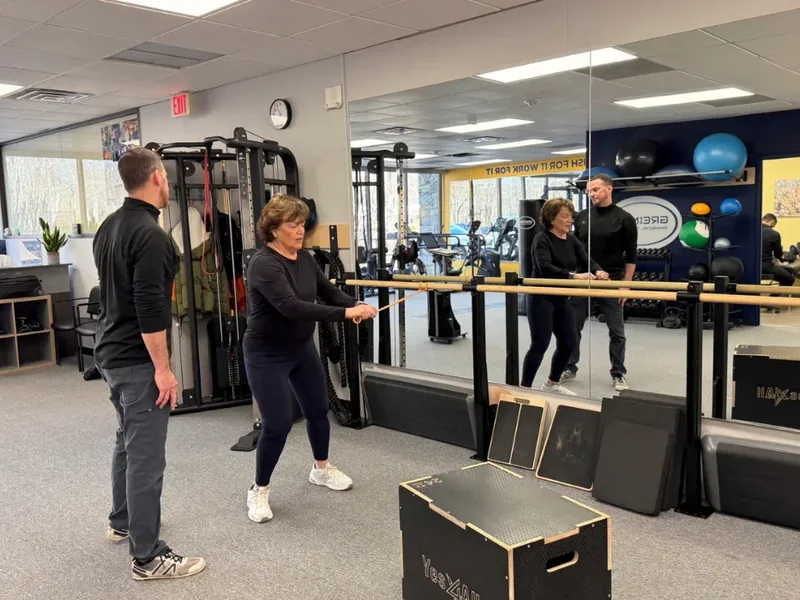
What neuropathy feels like, and what it quietly costs.
Most people come in for the burning. The balance is usually the more urgent problem.
Burning or freezing feet
Symptoms that ignore activity levels and are often loudest when you get into bed.
Numbness in a stocking or glove pattern
Sensation that fades symmetrically from the toes or fingertips inward rather than in one nerve’s territory.
Balance that depends on light
Steadiness that falls apart in the dark, on grass, on sand or with your eyes shut in the shower.
A changed walk
Slapping the foot down, catching a toe, or widening your stance to feel secure.
Cramping and distal weakness
Night cramps, difficulty with a jar or a key, or an ankle that no longer pushes off strongly.
Cuts and blisters you never felt
Skin damage on the feet discovered by looking rather than by feeling, which is a reason to be systematic about foot checks.
Rebuild the strength, retrain the balance, respect the feet.
The evaluation measures what neuropathy has actually taken: where sensation ends, what your ankle and foot can still produce, how you walk, and how your balance holds up when we take vision or a stable surface away. That last test matters most, because it tells us how close you are to a fall and gives us a number to move.
Treatment is hands-on and progressive. Nerve glides and manual therapy to keep nerves and joints moving freely, foot and ankle strengthening including the small intrinsic muscles nobody trains, calf and hip capacity so push-off and recovery steps come back, and balance work that deliberately challenges the systems you still have. We add fall prevention at home, footwear and foot-care habits, and a walking program that builds tolerance rather than gambling with it. There is nothing passive about it and nothing generic about it: graded loading and skilled hands, delivered by the same licensed physical therapist every visit.
No referral needed in New York for up to 30 days or 10 visits. In network with Medicare and Medicare Advantage, out of network with most other plans, and we submit claims on your behalf. Same-week appointments are usually available at both locations.
Questions about neuropathy.
01 / Can physical therapy reverse my neuropathy?
02 / Do I need my doctor to refer me first?
03 / How does insurance work here?
04 / Is it safe to exercise when I cannot feel my feet?
What our patients say.
"The team at Greiner not only helped me enormously, they did so with lots of patience and tips to help me at home. The treatments improved my pain and weakness."Susan H. · Google review
Schedule Your Appointment
No referral needed in New York. Same-week appointments available at both locations.
Your first visit is a full one-on-one evaluation with a licensed physical therapist: come in, tell us everything, and leave with a plan.
You’re all set.
We’ll reach out within one business day to confirm your appointment. If you need to speak with us sooner, call us directly.